LIMITED SPOTS
All plans are 30% OFF for the first month! with the code WELCOME303
LIMITED SPOTS
All plans are 30% OFF for the first month! with the code WELCOME303

LIMITED SPOTS
All plans are 30% OFF for the first month! with the code WELCOME303
There was a period where every business problem seemed to have the same solution: buy
another app or piece of software. Need project management? New software. Better communication? Another platform. Analytics? Separate dashboard. Scheduling? Different subscription. CRM? Yet another login.
Over time, businesses slowly built massive digital ecosystems that looked impressive on paper but quietly became exhausting to use every single day. Now a lot of teams are hitting a breaking point.
Employees are tired of juggling endless browser tabs, switching constantly between platforms, remembering dozens of passwords, and trying to figure out where information is being stored. Instead of making work easier, many companies accidentally created digital clutter that slows the entire business down.
That’s why more businesses are starting to rethink the entire philosophy behind their tech stack. Bigger isn’t always smarter anymore. In many cases, simplifying systems creates better productivity, clearer communication, and much less operational stress overall.
Source: Unsplash (CC0)
Most employees know the feeling immediately. You start the day opening Slack, email, a CRM, a task manager, analytics dashboards, cloud storage, calendars, meeting software, spreadsheets, reporting tools, and internal documentation systems before you’ve even completed one meaningful task.
Then the notifications start rolling in. Messages from five different places. Alerts from software you barely use. Constant reminders, updates, sync issues, and approval requests competing for your attention simultaneously.
People spend huge portions of the workday simply navigating software instead of actually doing productive work. Even small tasks start feeling heavier because the operational friction surrounding them becomes exhausting. Businesses are realizing that overcomplicating things at work often happens gradually through technology accumulation rather than bad management alone.
A lot of companies assumed adding specialized tools would naturally increase efficiency. Individually, many of those tools genuinely are useful. The problem is when dozens of disconnected systems all compete for attention at once. Information becomes scattered everywhere. Teams duplicate work accidentally. Employees waste time searching for context. Workflows become inconsistent between departments.
Instead of one streamlined process, businesses end up with fragmented operations that require constant manual coordination to function properly. Ironically, the effort required to manage the software ecosystem itself sometimes becomes a major productivity drain inside the company.
One of the biggest advantages of shrinking a tech stack is reducing context switching. When employees constantly jump between platforms, their attention resets every single time. Focus breaks. Momentum disappears. Even highly capable workers become less efficient when forced to operate inside overly fragmented systems all day long.
Simpler workflows tend to preserve mental energy. Your employees spend less time searching for information and more time making decisions. That results in communication becoming clearer because conversations happen in fewer places. Data also stays cleaner because fewer systems need manual updates.
In essence, a lot of businesses are discovering that removing unnecessary tools often improves productivity. And it’s far more effective than adding yet another optimization platform or layer into the mix.
One major business trend is the move away from isolated software dashboards toward centralized work environments. Instead of forcing employees to manually navigate multiple systems constantly, businesses increasingly want information accessible from one core workspace where everything connects more naturally.
That’s one reason integrated AI tools are becoming so important. Rather than acting as separate applications themselves, many AI systems now function more like operational layers sitting across existing workflows. Employees can retrieve information, summarize documents, organize tasks, generate insights, and search databases conversationally without manually opening ten separate platforms first. The workflow starts feeling far more fluid and less fragmented.

Source: Unsplash (CC0)
There’s no doubt that AI is changing the way businesses run. But interestingly, one of the biggest changes isn’t just automation itself. It’s simplification. AI allows businesses to consolidate processes that previously required multiple disconnected tools. Instead of separate systems for reporting, research, note-taking, prospecting, and organization, AI-assisted platforms increasingly combine those functions together in one environment.
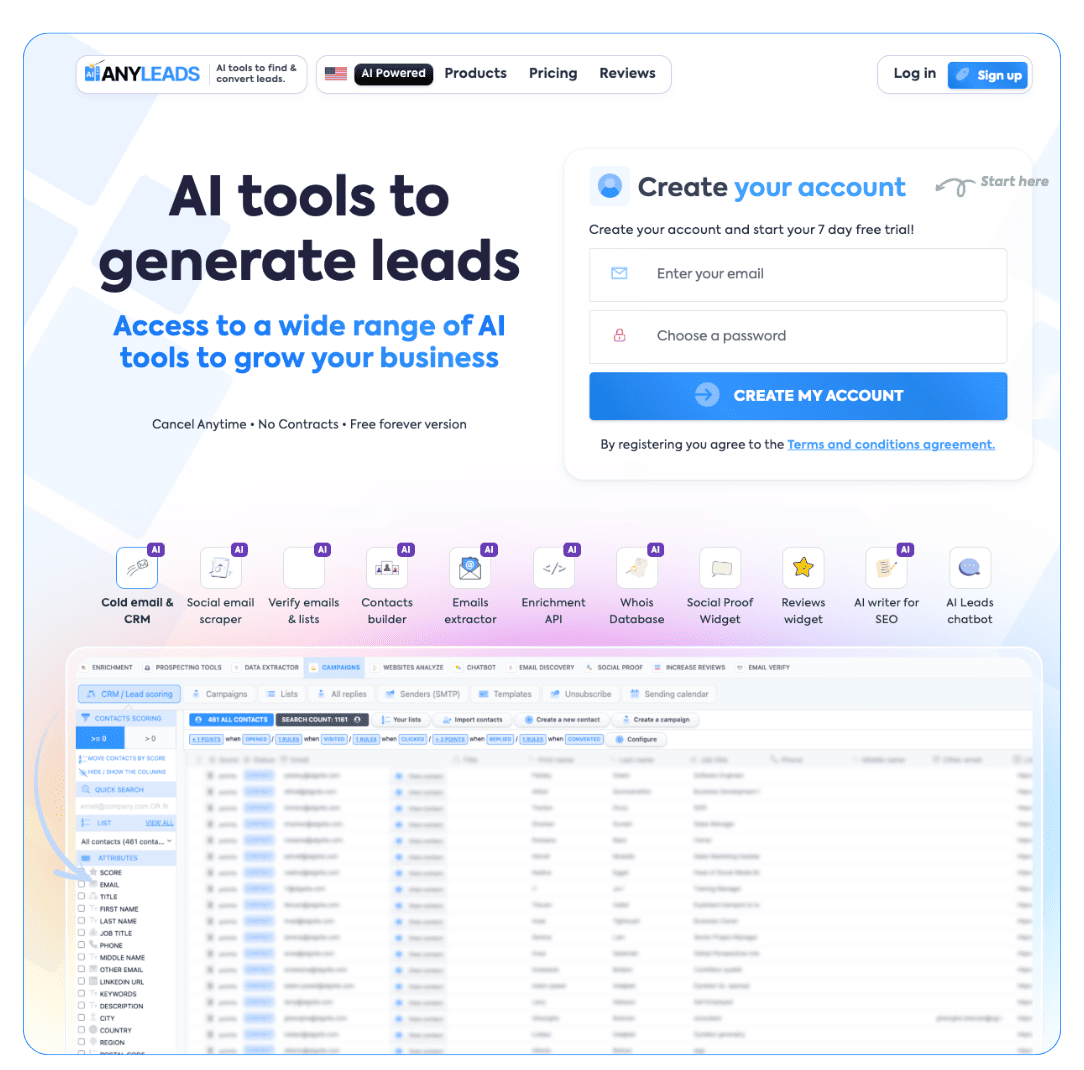
For example, businesses using tools like GTM AI can surface company information, identify prospects, organize sales intelligence, and streamline workflows conversationally rather than manually stitching together data from multiple external platforms. That reduces both operational complexity and mental overload for teams working inside those systems every day.
One mistake leadership teams sometimes make is evaluating software primarily from a management perspective instead of from the employee experience itself.
On paper, every tool may technically solve a business problem, but employees are the ones living inside those workflows all day long. That’s why getting employee input on your tech stack matters so much. Frontline teams usually understand operational friction better than anyone because they encounter it repeatedly throughout the workday.
Many employees build their own unofficial workarounds long before leadership notices the underlying inefficiencies directly. They know which platforms feel redundant. They know where workflows break down. They know which systems constantly create confusion or duplication.
Technology accumulates surprisingly fast inside growing companies. A tool gets added for one project, another for one department, another during remote work expansion. Then suddenly, nobody fully understands which systems are still genuinely necessary. That’s why regular audits matter.
Businesses should periodically ask questions like:
Which tools actually save meaningful time?
Which platforms overlap heavily?
Which systems create more complexity than value?
Which workflows feel unnecessarily fragmented?
What are employees actively avoiding or bypassing?
Sometimes removing one poorly integrated platform improves workflows more than adding three new productivity tools ever could.
For years, business technology grew by layering more and more specialized software onto every operational problem. Increasingly, though, the future seems to be moving toward consolidation instead. Cleaner systems. Fewer interfaces. More integrated workflows. More conversational interactions with data and tasks.
Businesses are realizing that productivity often comes from reducing friction rather than endlessly expanding software ecosystems. Because at the end of the day, most employees don’t want more dashboards, more notifications, or more tabs competing for their attention. They just want work to feel simpler again.
 AI tools to find & convert leads.
  Send emails at scale